






Company Profile
Established in 2002, Shaanxi YALAN Textile Group is located in the ancient city of Xi'an, Shaanxi province, China, and is engaged in the development of special fabrics for high-star hotels, gray fabric weaving, printing and dying, and hotel room linen. Because we weave the fabric and produce the finished product ourselves, the quality has an absolute guarantee. We use long-staple combed cotton as the material so that the fabric feels even better, especially since the useful life has increased.
Why Choose Us
High Quality
Our products are manufactured or executed to very high standards, using the finest materials and manufacturing processes.
Advanced Equipment
Equipment based on the latest technological developments has higher efficiency, better performance and stronger reliability.
Professional Team
Our professional team collaborate and communicate effectively with one another, and are committed to delivering high-quality results. They are capable of handling complex challenges and projects that require their specialized expertise and experience.
Rich Experience
Dedicated to strict quality control and attentive customer service, our experienced staff is always available to discuss your requirements and ensure complete customer satisfaction.
-
![The Most Durable Polycotton Fabric For Hotel Bedding]()
The Most Durable Polycotton Fabric For Hotel Bedding
Width:220cm/250cm,285cm,305cm,or customized width.
Fabric: polycotton blended fabric.
Design: Sateen.
End use: hotel bedding use.
We are a professional manufacturer for bed linen... -
![Polycotton Fabric For Hotel Rental Bedding]()
Polycotton Fabric For Hotel Rental Bedding
Width:220cm/250cm,285cm,305cm,or customized width.
Fabric: polycotton blended fabric.
Design: Sateen.
End use: hotel bedding use.
We are a professional manufacturer for bed linen... -
![Bedding Sateen Fabric For Hotel Rental]()
Bedding Sateen Fabric For Hotel Rental
Width:220cm/250cm,285cm,305cm,or customized width.
Fabric: polycotton blended fabric.
Design: Sateen.
End use: hotel bedding use.
We are a professional manufacturer for bed linen... -
![Hotel Bedding Sateen Fabric]()
Hotel Bedding Sateen Fabric
Width:220cm/250cm,285cm,305cm,or customized width.
Fabric: polycotton blended fabric.
Design: Sateen.
End use: hotel bedding use.
We are a professional manufacturer for bed linen... -
![Hotel Bedding Stripes Fabric]()
Hotel Bedding Stripes Fabric
Width:220cm/250cm,285cm,305cm,or customized width.
Fabric: polycotton blended fabric.
Design: 0.5cm stripes/1cm stripes,2cm stripes or 3cm stripes or customized as required.
End use:... -
![Cotton Stripe Fabric For Hotel Use]()
Cotton Stripe Fabric For Hotel Use
Width:220cm/250cm,285cm,305cm,or customized width.
Fabric: polycotton blended fabric.
Design: 0.5cm stripes/1cm stripes,2cm stripes or 3cm stripes or customized as required.
End use:... -
![Hotel Rental Fabric]()
Hotel Rental Fabric
We are a professional manufacturer for bed linen and bath linen more than 22 years for hotels and home. a lot of products are selling to world wide market. Many famous international hotels are...
-
![Polyester Cotton Stripe Fabric]()
Polyester Cotton Stripe Fabric
Product Name: polyester cotton stripe fabric
Material: 100% Cotton/100% Polyester/Polyester Cotton
Yarn:... -
![Polyester and Cotton Blend Fabric]()
Polyester and Cotton Blend Fabric
Product name: polyester and cotton blend fabric
Material: polyester/ cotton
Style: Plain
Use: hotel
Customized: Size/Color/Logo can be customized
Delivery time:... -
![Polyester Cotton Satin Fabric]()
Polyester Cotton Satin Fabric
Product name: polyester cotton satin fabric
Material: polyester/ cotton
Style: Plain
Technics: woven
Use: hotel
Feature: Waterproof, Anti-Static, Flame... -
![Polyester Cotton Fabric]()
Polyester Cotton Fabric
Product name: polyester cotton fabric
Material: polyester/cotton
Style: Plain
Technics: woven
Use: hotel
Feature: Waterproof, Anti-Static, Flame Retardant... -
![Cotton Polyester Elastane Fabric]()
Cotton Polyester Elastane Fabric
Product name: cotton polyester elastane fabric Material: polyester/ cotton Technics: woven Use: hotel Customized: Size/Color/Logo can be customized Delivery time: Normally 1-7 days after...
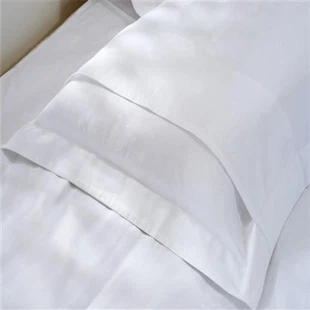

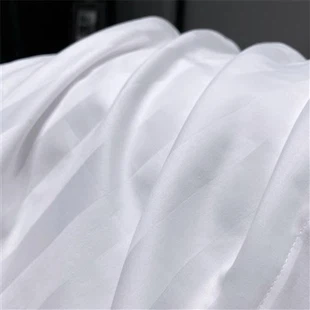
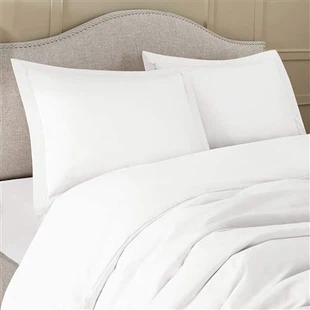


What is Polyester Cotton?
Polyester Cotton is a synthetic polymer and one of the most common and versatile materials in the textile industry. It is created through a chemical process that involves the combination of petroleum-based substances.
One of the notable features of the Polyester Cotton fabric is its moisture-wicking property, which helps to keep the body dry by drawing sweat away from the skin. This characteristic makes it a popular choice for activewear and sportswear, as well as for outdoor and adventure clothing.
Polyester Cotton is a synthetic fiber also known for its color retention and resistance to fading, which ensures that garments made from this material maintain their vibrant and long-lasting appearance.
Benefits of Polyester Cotton
Durability
PolyCotton fabric is known for its strength and durability. It can withstand wear and tear better than most fabrics, making it a popular choice for clothing and bedding that will be used frequently.
01
Breathability
Cotton fibers are naturally breathable, and when blended with Polyester Cotton, PolyCotton fabric retains some of this breathability. This means that it is comfortable to wear in hot weather and can help regulate body temperature.
02
Absorbency
Cotton fibers are known for their absorbency, and PolyCotton fabric retains some of this property. This means that it can absorb moisture and sweat, making it a comfortable choice for clothing and bedding.
03
Wrinkle-resistance
Polyester Cotton fibers are known for their wrinkle-resistance, and PolyCotton fabric inherits some of this property. This means that it is less likely to wrinkle than pure cotton fabric.
04
Easy to care for
PolyCotton fabric is easy to care for and can be machine washed and dried without special care instructions. It is also less likely to shrink than pure cotton fabric.
05
Types of Polyester Cotton
PET (Ethylene Polyester)
Ethylene Polyester, Polyethylene Terephthalate, or PET is the name of the type of polyester that is most frequently used to make clothing. Although the ethylene used to make this fabric is derived from petroleum, it goes through a lengthy manufacturing process where ethylene polymers hold other chemicals together to create fibers.
Continuous, long, fine fibers make up polyester filament fabric. But because polyester is essentially a plastic, even these superfine strands feel like a finer version of a fishing line and do not produce the softest fabric.
Chemicals and agitation are used to soften the fibers in polyester staple or spun. Additionally, before weaving the fabric, many short fibers in staple polyester are twisted together to form yarns.
Plant-Based Polyester
The same chemicals found in PET polyester are also present in plant-based polyester, but in this case, ethylene is sourced from environmentally friendly products like cane sugar. Unlike all other types of polyester, the plant-based kind can biodegrade.
However, because it is much more expensive to produce than regular PET polyester, the clothing industry unfortunately uses it much less frequently.
PCDT Polyester
The chemical composition of PCDT polyester differs slightly from that of PET. PCDT is short for poly-cyclohexylene-dimethylene-terephthalate.
This type of polyester has more elasticity and great durability than PET but does not work as well for items like clothing. Instead, heavy-duty commercial items, curtains, and upholstery are the main uses for it.
What is Polyester Cotton used for?
Bedding
Polyester Cotton are widely used to make bedding products like bed sheets, pillowcases, comforters, and duvet covers. The blend’s breathability (courtesy of cotton) meets the durability (thanks to polyester), creating bedding that’s a dream to sleep in and easy to care for. With cotton polyester blend bedding, you can say bye to wrinkled sheets and enjoy a comfortable, soft, and crease-free bed.
Curtains and Upholstery
Other than the bedroom area, Polyester Cotton can also be found in other spaces within your home. It can be used to make curtains, drapes, sofa covers, etc.
With cotton polyester materials, you can get durable yet soft and elegant. They resist wrinkles, withstand everyday wear, and offer a touch of refinement to your living spaces. Plus, they’re a breeze to clean, making your home both stylish and low-maintenance.
Casual Wear
This category is where cotton polyester shines. It offers a more durable, low-maintenance alternative to the famous cotton materials. At the same time, it still retains much-likable characteristics like softness and breathability, making your favorite pieces withstand the rigors of daily wear while keeping you feeling at ease.
Sportswear
Cotton or polyester alone is not ideal for sportswear. Cotton isn’t strong enough to endure all the high-intensity workouts or frequent washing. Polyester is durable but it doesn’t absorb moisture well, and blocks the airflow, making it irritating, especially during extensive workouts.
It could be polyester spandex blends or polyester-cotton blends. These types of blends offer better moisture management and durability. The result is sportswear that supports your active lifestyle without sacrificing comfort.
Workwear
What makes a great workwear? Workwear doesn’t require excellent looks. However, it should be first, highly durable and robust, and secondly, comfortable enough to get through the whole day. Another plus is low maintenance. And Polyester Cotton are the perfect option that meets all the above criteria.
How Is Polyester Fabric Made?
The production processes used to make polyester may vary depending on the type of polyester is made:
Ethylene polyester (PET) is the most commonly-produced form of polyester fiber. The primary component of PET is petroleum-derived ethylene, and in the process of creating polyester fiber, ethylene serves as the polymer tha.
There are four ways to make PET fiber, and the polyester production process varies slightly depending on which method is used:
1. Filament: Polyester filaments are continuous fibers, and these fibers produce smooth and soft fabrics.
2. Staple: Polyester staples resemble the staples used to make cotton yarn, and like cotton staples, polyester staples are usually spun into a yarn-like material.
3. Tow: Polyester tow is like polyester filament, but in polyester tow, the filaments are loosely arranged together.
4. Fiberfill: Fiberfill consists of continuous polyester filaments, but these filaments are produced specifically to have the most possible volume to make bulky products like pillows, outerwear, and stuffing for stuffed animals.
The process of creating polyester fiber begins with reacting ethylene glycol with dimethyl terephthalate at high heat. This reaction results in a monomer, which is then reacted with dimethyl terephthalate again to create a polymer.
This molten polyester polymer is extruded from the reaction chamber in long strips, and these strips are allowed to cool and dry, and then they are broken apart in to small pieces. The resulting chips are then melted again to create a honey-like substance, which is extruded through a spinneret to create fibers.
In today’s market, there are various types of fabrics available, yet some individuals still struggle to differentiate between Polyester fabric, Cotton Poly, and 100% Cotton fabric. The following will guide you on how to distinguish these two types of fabrics so that you can make an accurate choice.
Cotton blend Poly, Polyester, Polyester Cotton Fabrics: The surface of Polyester fibers appears glossy, and when touched, they feel smooth with a slight roughness. When lightly crumpled, the fabric doesn’t wrinkle.
100% Cotton Fabric: It feels soft, smooth, and cool to the touch, and the fabric’s surface lacks a glossy sheen. When gently crumpled, wrinkles remain.
Cotton blend Poly, Polyester, Polyester Cotton Fabrics: When burned, there’s a faint plastic smell due to the Polyester fibers; after burning, it leaves behind ash and becomes lumpy.
100% Cotton Fabric: As it primarily consists of cellulose (the main component of wood), burning yields a smell akin to burning paper, and the fabric’s ash is gray, fine, and quickly disperses.
Cotton Poly, Polyester, Polyester Cotton Fabrics: Due to the high Polyester fiber content, water absorption is slow. The spread of water on the surface of Poly fabric is limited.
100% Cotton Fabric: Water is quickly absorbed, and water spread on the fabric’s surface is broader.
By applying these three methods, you can easily differentiate between Cotton Poly, Polyester Cotton, Polyester, and 100% Cotton fabrics. In the market, there are many places selling 100% cotton clothing and bedding; however, not all of them are authentic. We hope this section will assist you in making accurate choices.
What are the Wash Care Instructions for Poly Cotton Fabric?
Is Polycotton Easy to Wash? Polycotton fabric is relatively easy to wash, but it requires a bit of care to maintain its quality. After having a better understanding of polycotton fabric, let's discuss some tips and tricks for washing it.


Read the Care Label
Before washing your polycotton fabric, it is important to read the care label to ensure that you are following the manufacturer's instructions. The care label will provide you with important information such as the recommended water temperature, washing cycle, and whether or not the fabric can be tumble dried. Following these instructions will help to ensure that your polycotton fabric stays in good condition and doesn't shrink or fade.
Sort by Color
When washing polycotton fabric, it is important to sort the items by color. This will help to prevent color bleeding and ensure that your polycotton fabric maintains its vibrant color over time. Separate whites from bright colors and dark colors from pastels to keep the colors from bleeding.
Wash in Cold Water
Polycotton fabric should be washed in cold water to prevent shrinking and damage to the fabric. Warm or hot water can cause the fabric to shrink or fade, especially if it contains a high percentage of cotton. Cold water is gentler on the fabric and will help to maintain its shape and color.
Use a Gentle Detergent
When washing polycotton fabric, it is important to use a gentle detergent that is free of bleach or fabric softener. Bleach can cause the fabric to fade or become discolored, while fabric softeners can leave a residue that can make the fabric feel stiff and scratchy. Use a mild detergent that is designed for delicate fabrics to keep your cotton polyester fabric soft and supple.
Avoid Overloading the Washer
When washing polycotton fabric, it is important to avoid overloading the washer. Overloading the washer can cause the fabric to become tangled and twisted, which can lead to damage or pilling. Wash polycotton fabrics in small loads to ensure that they are cleaned properly and don't become damaged during the washing process.
Use a Delicate Cycle
Polycotton fabric should be washed on a delicate cycle to prevent damage to the fabric. The delicate cycle is gentler on the fabric and will help to maintain its shape and quality over time. Avoid using the regular or heavy-duty cycle, which can be too rough on the fabric and cause it to become damaged.
Tumble Dry on Low Heat
Polycotton fabric can be tumble-dried on low heat, but it is important to remove the items from the dryer promptly to prevent wrinkling. High heat can cause the fabric to shrink or become damaged, so it is important to use a low heat setting.
Hang to Dry
While some polycotton items may be tumble-dried on low heat, it is generally best to hang them to dry. This will help to prevent shrinking and distortion of the fabric. If you do choose to tumble dry your polycotton clothes, be sure to remove them promptly from the dryer to prevent wrinkles.
Iron on Low Heat
If your polycotton clothes do require ironing, be sure to use a low heat setting. High heat can melt the polyester fibers and cause damage to the fabric. Use a pressing cloth to protect the fabric from direct heat and avoid ironing over any buttons or zippers.
Our Factory
Established in 2002, Shaanxi YALAN Textile Group is located in the ancient city of Xi'an, Shaanxi province, China, and is engaged in the development of special fabrics for high-star hotels, gray fabric weaving, printing and dying, and hotel room linen. Because we weave the fabric and produce the finished product ourselves, the quality has an absolute guarantee.


Certification


FAQ
As one of the best polyester cotton suppliers in China, we're featured by cheap products and good service. Please rest assured to buy or wholesale bulk high quality polyester cotton for sale here from our factory. For customized service, contact us now.
Polyester Cotton, Polyester Cotton Fabric, Polyester Muslin Fabric