





Company Profile
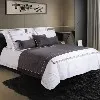
Established in 2002, Shaanxi YALAN Textile Group is located in the ancient city of Xi'an, Shaanxi province, China, and is engaged in the development of special fabrics for high-star hotels, gray fabric weaving, printing and dying, and hotel room linen. Because we weave the fabric and produce the finished product ourselves, the quality has an absolute guarantee. We use long-staple combed cotton as the material so that the fabric feels even better, especially since the useful life has increased.
Why Choose Us
High Quality
Our products are manufactured or executed to very high standards, using the finest materials and manufacturing processes.
Advanced Equipment
Equipment based on the latest technological developments has higher efficiency, better performance and stronger reliability.
Professional Team
Our professional team collaborate and communicate effectively with one another, and are committed to delivering high-quality results. They are capable of handling complex challenges and projects that require their specialized expertise and experience.
Rich Experience
Dedicated to strict quality control and attentive customer service, our experienced staff is always available to discuss your requirements and ensure complete customer satisfaction.
-
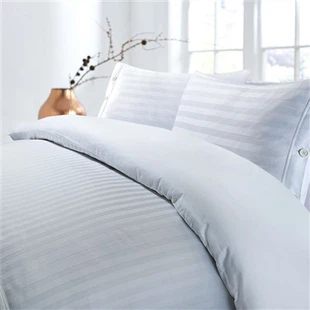
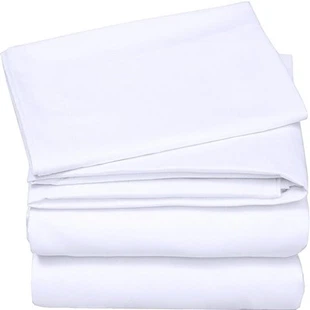
![Wholesale High Quality White Bedding Fabric]()
Wholesale High Quality White Bedding Fabric
Product name: 100% cotton fabric
Material: 100% Cotton
Style: Plain weaving
Technology:
1) Yarn dyed ( ColorFastness 3-4 grade)
2) Soft post-treatment
Certificate: ISO9001:... -
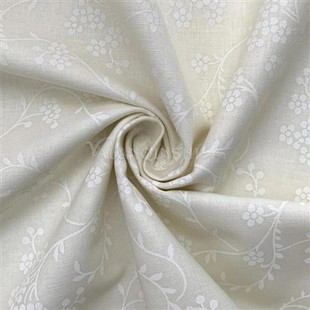
![100% Cotton Jacquard Fabric]()
100% Cotton Jacquard Fabric
Fabric: 100% Cotton
Yarn: 60Sx40S
Thread Count:300T
Standard Width:255/285/305/320CM
Style: jacquard
Color: White or other colors
Sample:... -
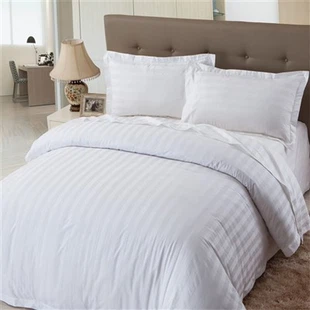
![White Stripe Bed Sheet Fabric]()
White Stripe Bed Sheet Fabric
Material: 100% Pure Cotton
Thread Count: 600TC (Thread Count per Square Inch)
Pattern: White Stripe
Sizes: Twin, Full, Queen, King
Color: White with Subtle Stripe... -
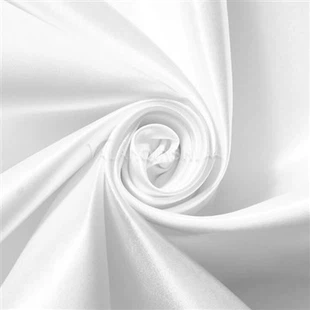
![100 Cotton Satin Bed Sheet Fabrics]()
100 Cotton Satin Bed Sheet Fabrics
Product Name: 100 cotton satin bed sheet fabrics
Material: 100% Cotton/100% Polyester/Polyester Cotton
Yarn:... -
![Hotel Style 600 100% Cotton Set]()
Hotel Style 600 100% Cotton Set
Product Name: hotel style 600 100cotton set
Material: 100% Cotton/100% Polyester/Polyester Cotton
Yarn:... -
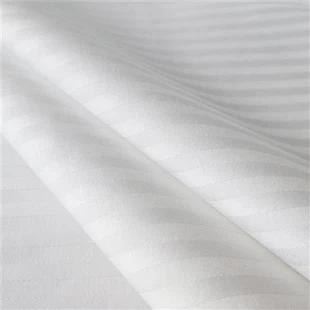
![100% Cotton Satin Stripe Fabric]()
100% Cotton Satin Stripe Fabric
Product Name: 100% cotton satin stripe fabric
Material: 100% Cotton/100% Polyester/Polyester Cotton
Yarn:... -
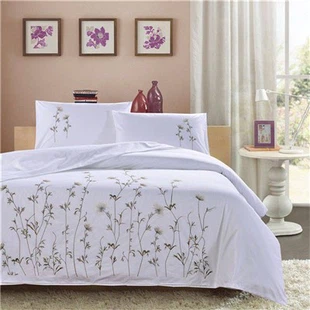
![100% Cotton Embroidery]()
100% Cotton Embroidery
Product Name: 100% Cotton Embroidery
Material: 100% Cotton/100% Polyester/Polyester Cotton
Yarn:... -
![100% Cotton Sateen Sheet Fabric]()
100% Cotton Sateen Sheet Fabric
Product Name: 100% cotton sateen sheet fabric
Material: 100% Cotton/100% Polyester/Polyester Cotton
Yarn:... -
![100% Cotton Floral Fabric]()
100% Cotton Floral Fabric
Brand Name: Yalan
Fabric:100%cotton
Season: All-Season
Style: hotel bed linens
Character: soft,skin-friendly,breathable,organic
Customized: Size/Color/Logo can... -
![100 Cotton Embroidery Fabric]()
100 Cotton Embroidery Fabric
Product Name: 100 Cotton Embroidery Fabric
Material:100% Cotton/100% Polyester/Polyester Cotton
Yarn:... -
![100% Cotton Sateen Fabric]()
100% Cotton Sateen Fabric
Product Name: 100% cotton sateen fabric
Density: 80*80/200*(100+100)
Yarn Count: 80sx80s
Thickness: lightweight
Craft: woven
Weight: 130gsm
Use: Hotel -
![100% Quilting Cotton Fabric]()
100% Quilting Cotton Fabric
Material: 100% Cotton
Yarn Type: COMBED
Pattern: Printed
Style: Plaid, Plain
Width: 43/44"
Technics: woven
Color: Customer Request
Print:...
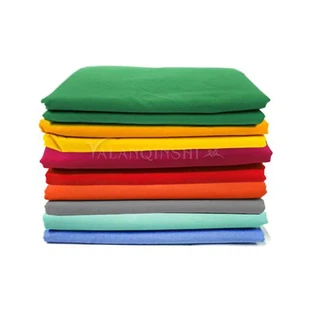
What Is 100 Percent Cotton Fabric?
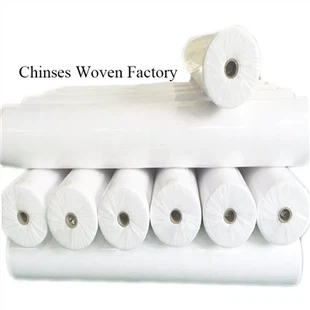
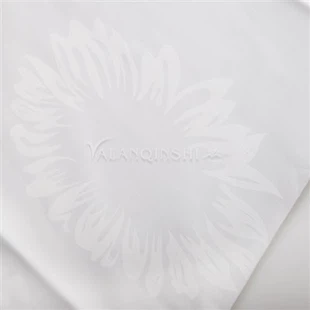
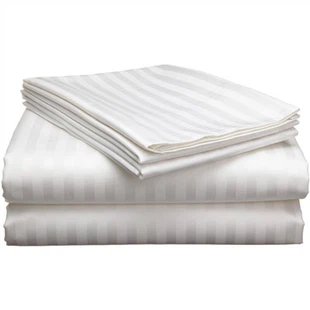
100 cotton means the fabric is not blended and is made of a stronger, softer, and more comfortable natural product consisting of fibers picked from the plant. On one side it's strong enough to last many hot washes, and on the other hand, it's biodegradable. 100 cotton fabric has the characteristics of moisture absorption, moisture retention, heat resistance, alkali resistance, and hygiene. Usually, more than 95% cotton can be called pure cotton, so pure cotton is not necessarily 100 cotton.
Absorbent
Pure cotton is the fabric of choice for the most luxurious bath towels (see our recent post on cotton and linen towels), and for good reason. Cotton is hydrophilic, meaning that the cells in its fibres absorb water molecules by actively attracting them. This ability to store water within its cell walls is what makes cotton fabric so absorbent; it can soak up over 25 times its weight in water, making it ideal for towels and summer garments so that they can remove moisture from the skin. Textiles which have a lower percentage of cotton fibres, such as polycotton, are therefore not able hold as much water; causing them to be less absorbent and less effective at keeping your skin dry.
Sustainable
Now more than ever, we are becoming increasingly aware of the importance of implementing sustainable practices in different areas of our lives, and organic, pure cotton is one of the textile industry’s answers to the growing demand for eco-friendly fabrics. Cotton which is grown organically produces far less yield than cotton which has been sprayed with pesticides, accounting for less than 1% of cotton production worldwide and using greatly reduced amounts of water and land. After the cotton has been harvested, it is then left free of chemicals during the process of fabric manufacture and is, of course, not blended with fibres heavy in microplastics (such as polyester). The result is a cotton fabric which is completely biodegradable and recyclable and which does not contaminate our waterways, offering sustainability all round.
Skin Friendly
Pure cotton’s lack of pesticide and chemical use is also what makes it so ideal for sensitive skin, as these can irritate the skin and cause discomfort. Bacteria is another factor which can lead to irritation – however, pure cotton dries faster than less cotton rich fabrics due to water being able to evaporate easily from its cell walls, making it highly breathable and more resistant to build-ups of bacteria. Furthermore, while natural cotton fibres are not technically hypoallergenic, fabric which is 100% cotton and free of synthetic blends is extremely unlikely to contain allergens, and for this reason, organic cotton is outstandingly safe (and baby friendly).
Durable
As fabrics go, cotton is an immensely durable option, especially when it comes to homeware. Its high tensile strength means that it is incredibly long-lasting, and unlike other cellulosic materials such as wood pulp which deteriorate in moisture, fabric made from cotton is 30% stronger when wet. This great level of fibre strength is why cotton fabric withstands washing so well and barely stretches or loses its shape, giving it the added benefit of being a low maintenance textile. Easy to care for and easy to wash, you can be secure in the knowledge that your fabric woven from 100% cotton will retain its quality over many years.
Soft
Almost all different types of cotton fabric are soft to the touch, but pure, 100% cotton provides a supreme level of softness which takes the tactile experience of the textile up a notch. Cotton fibres protrude slightly from the surface of the fabric and create an air barrier between the skin and the fabric, which is what gives cotton clothing or cotton bedding that cushioned touch and makes the textile non-abrasive. Moreover, 100% cotton does not come with the issue of pilling. Pills are tiny balls of tangled fibres caused by friction which build up on the surface of fabrics, and while pilling is permanent on many materials, pure cotton sheds its pills in the wash; guaranteeing that smooth texture which is so characteristic of cotton.

Types of cotton fabric
Cambric
A lightweight cloth with a long history; a cambric shirt is mentioned in the folk song ‘Scarborough Fair’. It’s also used for handkerchiefs and lace. Cambric was originally made of linen but nowadays you’ll find it in cotton as well.
Canvas
A heavy, long-lasting fabric, often rough to the touch. It’s used to make things that will need to withstand the elements, such as tents, sails and rucksacks, but you might also find it in your favourite hat.
Flannel
A soft, slightly fuzzy fabric with a bit of weight to it. It’s often used for casual shirts and cuddly pyjamas. As with many kinds of cotton fabric, flannel can also be made from other materials, such as wool.
Gauze
Very loosely woven and often sheer. Cotton gauze is often used to dress wounds, but it can also add stunning transparent accents to your clothes.
Muslin
A light, loose-woven, affordable cloth. If dressmaking has always been your dream, you might use muslin to make test versions of clothes before you break out the more expensive fabric.
Poplin
A strong, straightforward, versatile fabric with a bit of ribbing to it, as the weft is thicker than the warp. It’s got a slight sheen and it’s used for all sorts of clothes: shirts, trousers, coats, dresses and more.
Terry cloth
The fabric that’s used to make towels, bathrobes and face flannels, covered in tiny loops of thread. It’s an absorbent design that enhances the natural absorbency of cotton. It’s confusing that flannels aren’t made of flannel, but that’s the world we live in.
Velour
A very soft pile, and at first glance, its lustrous sheen is similar to velvet. Velvet is traditionally made of silk, though, so cotton velour is a lot more affordable. It’s used for both clothes and upholstery.
Application of 100% Cotton
Cotton is a natural fiber that is extensively cultivated
The cotton plant is grown in many countries, including India, the United States, and Egypt. Through various processes such as fiber extraction, spinning, dyeing, and wet processing, cotton fibers are transformed into single fibers, multicolored threads, and blended fabrics (with polyester, lycra, and other textile fibers).
We all know the benefits of cotton and its significance in human life. Cotton fibers are widely used in clothing, household textiles, and various industries with diverse applications. The primary function of cotton is for woven and knitted fabrics. Cotton fabrics are later used in various ways based on their unique characteristics.
Raw Materials for Clothing and Textile Production
Did you know that many types of fabrics commonly found on clothing labels originate from cotton fibers? Cotton can be woven or knitted into denim, shirts, velvet, fleece, and chambray.
Cotton and related fabrics are used to produce everything in the garment industry – from leisurewear to underwear, socks, and t-shirts. They are also used to make bed linens, quilts, and blankets.
Cotton fibers are used in textile production, and they are further used in various clothing and fabric items. Cotton fibers are used for sewing garments, and a variety of fabrics are made from cotton fibers.
Using Cotton Materials for Household Items
They are used to make mattress covers, curtains, and other cosmetic items.
Due to its softness, cotton is used to make bed sheets, pillowcases, and duvet covers. Cotton is used to make quilts.
Medical and Healthcare Supplies
For many years, non-woven products in baby care and feminine hygiene mostly consisted of synthetic fibers.
However, nowadays, consumers demand contact-sensitive sheets made from softer, non-allergenic natural fibers. There are now increasing varieties of high-quality diapers and baby wipes made from gentle, breathable cotton, perfectly suitable for the delicate skin of infants.
Cotton is also a common ingredient in skincare creams, bath lotions, and baby shampoos.
Materials for Bags and Decorative Items–Using Cotton
Cotton fabric is used to make tote bags.
It is used in the production of high-quality paper diapers and baby wipes.
Cotton fibers are used to make canvas fabric, which is later used for artwork (paintings).
Cotton fabric is used as decorative material in beauty and makeup stores, wine bars.
100% Cotton Knit Fabric Dyeing Description
We know that cotton grows naturally and that cotton absorbs minerals from the soil. Demineralization in cotton dyeing refers to the removal of mineral ions from the cotton fabric before the dyeing process. It is an essential step in the textile industry, as the presence of minerals in the fabric can interfere with the dyeing process and affect the quality of the dyed product.In this process wetting agents & sequestering agents are commonly used.
Scouring is the initial step in preparing cotton fabric, and it involves the removal of natural impurities, waxes, oils, and other substances present in the cotton fibers with the help of NaOH. This process ensures that the fabric is clean and ready to accept dyes or finishes evenly. And then bleaching is done with H2O2 to remove the natural color from the cotton greige fabric.
Biopolishing is a chemical process where the protruding fibers & slabs in the knitted cotton fabric are weakened with the help of cellulase enzyme and removed with the help of water pressure.
This process is also known as Enzymatic singeing. The reason for saying Enzymatic singeing is that in Singeing, the hairiness on the surface of the oven fabric are removed with the help of flame. On the other hand in Biopolishing, the hairiness of the knitted cotton fabric is removed with the help of enzymes.
“Levelling” in cotton dyeing refers to the process of ensuring that the dye is evenly distributed and absorbed by the cotton fabric, resulting in uniform and consistent coloration.
A levelling agent is used before the dyeing step begins in the fabric. The purpose of using the leveling agent is to spread the dye chemicals evenly on the fabric.
After completing the levelling step than the fabric is ready for dyeing. Generally reactive dyes are used for cotton dyeing. Direct dyes & vat dyes are also used.
The last process of dyeing is After-treatment. This process is done in 3 steps:
1) Soaping: In this step, the fabric is soaped with the help of detergent/soaping agent as a result of which the unfixed dyes are removed from the fabric surface.
2) Fixing: In this step fixing agent are used to improve color fastness of the dyed fabric. Fixing agents are also known as mordant or fixative.
3) Softening: After fixing, the fabric is made soft and smooth with the help of softener.
How to Wash 100% Cotton Without Shrinking It
Even though 100% cotton is prone to shrinking, you can wash it without damaging it. Whether you use a washing machine or do your laundry by hand, taking care of your 100% cotton is simple.
Washing Machine
Before you toss your cotton pieces into the washing machine, you should treat them for stains. You don’t want to wash a stained item before treating it, or you risk setting the stain in more permanently.
Next, pick the laundry soap that’s best for your garments. Most laundry detergents work well on cotton. If you have especially dirty items, you should consider a high-performance detergent. For delicate items or brightly colored fabrics, use a delicate wash to help prevent fading and damage.
The water temperature and the cycle are more important than the soap type, however. Use cold water for bright colors and delicate items and lukewarm or tap-water cool water for everything else. Only use hot water for heavily soiled items or utility items like towels and rags.
A regular wash cycle is fine for most 100% cotton clothing. Very delicate or thin fabrics may need a gentle cycle. Check the garment tag for suggestions, and err on the side of a gentler cycle if you’re unsure.
Hand Wash
If you prefer to handwash your 100% cotton, you’ll need a large sink or basin where you can submerge your clothing all the way. Fill the sink with lukewarm or cool water and the laundry soap of your choice, then submerge the clothes.
Using a no-rinse detergent can make handwashing easier, as it will save you time on rinsing the clothes. However, if you’re willing to spend more time on laundry, any mild laundry detergent will work.
Gently agitate and swirl the clothes in the basin, and then let them soak. The laundry detergent instructions will tell you how long they should be in the water before you drain the water and rinse the clothes. If you’re using a no-rinse detergent, squeeze out the excess water and hang your clothes to dry, re-shaping heavier items as needed.
How to Treat Stains on 100% Cotton
The best way to remove any stain is to address it as soon as possible. Often, you can wash a stain out of 100% cotton with water and regular laundry detergent if you get to it while the stain is still fresh. Stronger stains like grass, mud or red wine might need a heavier treatment.
The best stain treatment for 100% cotton clothing is oxygen-based bleach. It works on white and colorful clothing, and it works slowly, which is better for the fibers. As soon as possible after staining, you should soak the stained item in water and oxygen bleach, according to the directions on the bleach package. Then, wash as normal.
Chlorine-based bleach will also lift stains on 100% cotton. However, it does weaken the fibers, which can lead to tears or fraying. It will also leave bleach stains on colored fabrics, so you should only use chlorine bleach on whites.

Our Factory
Established in 2002, Shaanxi YALAN Textile Group is located in the ancient city of Xi'an, Shaanxi province, China, and is engaged in the development of special fabrics for high-star hotels, gray fabric weaving, printing and dying, and hotel room linen. Because we weave the fabric and produce the finished product ourselves, the quality has an absolute guarantee.


Certification


FAQ
As one of the best 100% cotton suppliers in China, we're featured by cheap products and good service. Please rest assured to buy or wholesale bulk high quality 100% cotton for sale here from our factory. For customized service, contact us now.
100 Cotton Floral Fabric, Hotel Fabric, 100 Cotton Embroidery Fabric